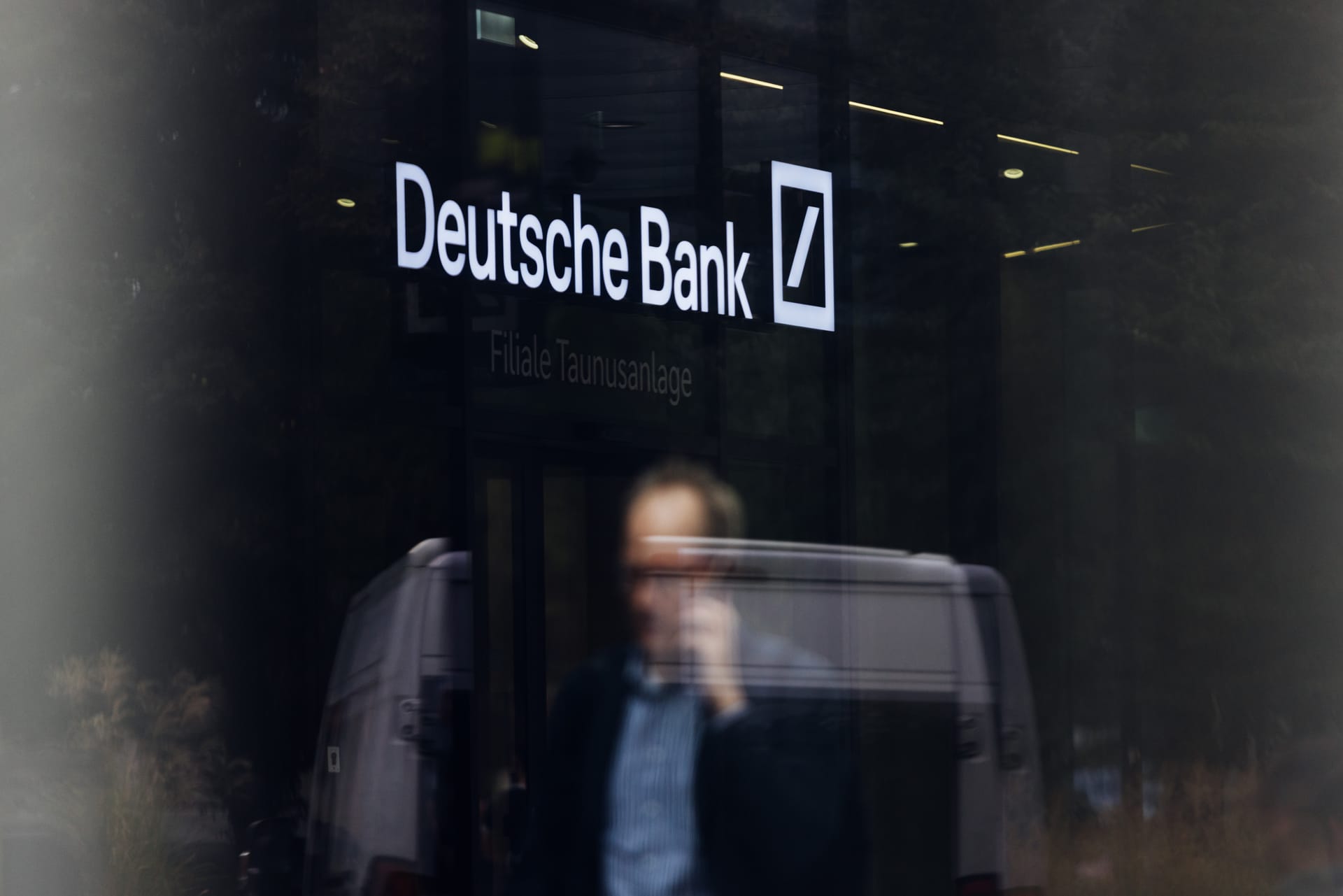
The Leak
The leak was obtained by Indian journalist and author Josy Joseph, and Khadija Sharife, a South African investigative journalist. It was shared with more than 230 journalists at over 50 media outlets worldwide.
The whistleblowers, whose identities are being protected, copied the files and removed them from the institution. They shared the data with Joseph and Sharife through their legal representatives. A legal representative of the whistleblowers told reporters that they shared the data with the U.S. Department of Justice, the U.S. Financial Crimes Enforcement Network (FinCEN) and the U.K's HM Revenue and Customs.
The whistleblowers received no compensation from any media group for the data. The media consortium did not compensate the whistleblowers for the data and independently reviewed the records and determined what findings to publish. If information provided by the whistleblowers leads to the bank paying fines or other monetary penalties to the U.S. government, the whistleblowers could be entitled to a share of those payments under certain conditions.
The Whistleblowers
The whistleblowers say they shared the data because they believe public awareness generated by global investigative reporting on the data is critical to the pursuit of justice and in the public interest.
The whistleblowers told us in a written statement: “The information we are providing to you was lawfully obtained. The bank has committed numerous violations of law that are well documented,” they added, referring to the bank’s past issues. “This information sheds light on why these violations occur.”
One whistleblower said they believe the evidence they have presented demonstrates that, “the c-suite is directly involved” in misconduct at the bank. One said they believe the files contain potential criminal misconduct regarding business relationships with corrupt regimes.
They specifically referred to Russia, saying that the public "has a right to know of the bank’s involvement with issues such as accounts held by Russian oligarchs.”
The Files
The records span the bank’s most sensitive functions and activities: anti-financial crime, sanctions monitoring, internal auditing and the units responsible for deciding whether risky clients stay or go.
Correspondence also includes communications, reports and minutes of meetings from C-suite executives such as the CEO and COO. The files are made up of more than ten million emails, as well as internal investigations given code names.
Editorial decisions were made independently by participating journalists and news organisations.
For security reasons, the data is self-hosted in Europe using open-source software.
The Data
Our reporters will continue to evaluate the material journalistically over the coming months. We will not publish the raw data online.
If you are a journalist or researcher interested in the getting access to the data, please request it from DARC here.